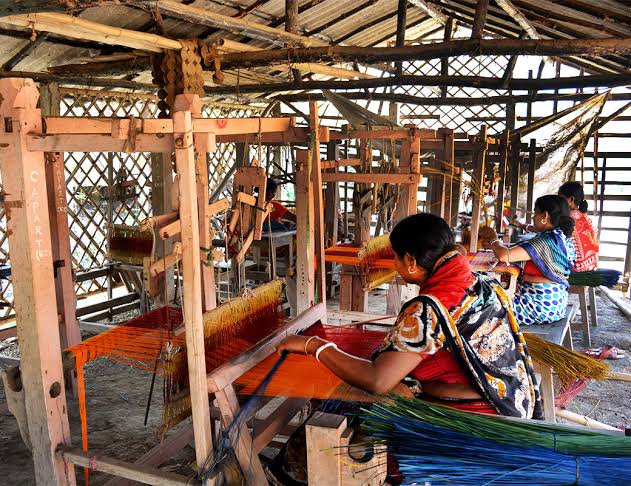
Morning breaks over the alluvial plains of Nadia with a metronomic cadence—the rhythmic clack-clack of wooden shuttles flying across pit looms. Here, along the Hooghly's distributaries, the air smells of starched yarn, damp earth, and woodsmoke from courtyards where families brew their morning lal cha. For generations, Shantipur and Phulia have defined Bengal's sartorial grace, turning warp and weft into poetry. Yet, this is no romanticized pastoral. It is an economic battleground where artisans fight a daily war against power looms, soaring material costs, and shifting global tastes. Walking the narrow alleys of Tantipara, you meet not just workers, but custodians of living history.
The Rich Heritage of Weaving in Shantipur and Phulia
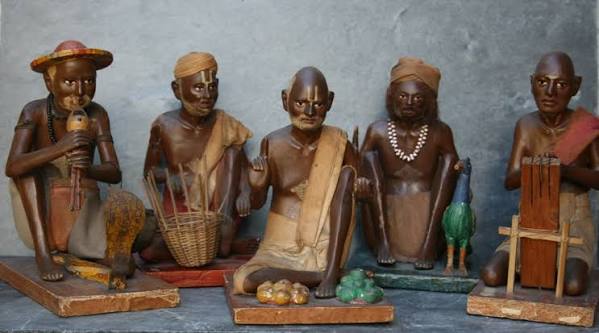
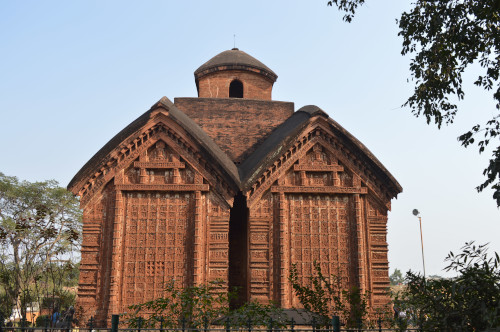
Weaving here stretches back centuries, nurtured by the Nadia Raj under King Krishnachandra and later driven by global demand for fine muslins and Tant cottons. Shantipur's fame for superfine weaves and extra-weft designs shifted slightly toward Phulia after the 1947 Partition. Displaced weavers from Tangail and Dhaka brought geometric jamdani skills, blending them seamlessly with indigenous Nadia techniques. Past colonial-era storefronts near the Shantipur Hat lie the architectural echoes of old textile posts. The legendary Shantipur tant saree—featherlight, breathable, with subtle dorokha borders—remains an unmatched masterpiece of delta engineering.
The Evolution of Jacquard Technology in Bengal Handlooms
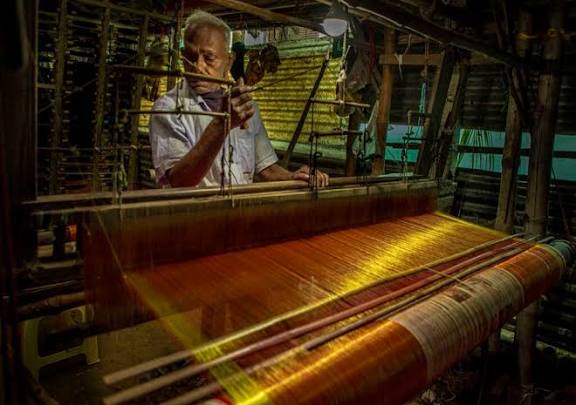
Tradition in Nadia has never meant standing still. The mid-20th-century arrival of the Jacquard mechanism changed how complex patterns were woven, bypassing exhausting draw-loom methods. Phulia's master craftsmen quickly mastered these punch-card systems to weave intricate designs once needing multiple hands. Today, electronic and mechanical Jacquard attachments sit above earthen pit looms in Phulia Colony and Sutragarh, guided by steady hands. This blend lets designers work with linen-cotton blends, light mulberry silks, and butidar motifs without losing hand-crafted tension. It is a quiet democratization of design.
The loom is not merely a machine for making cloth; it is the physical extension of our memory, our resistance, and our identity inscribed in cotton.
Challenges and Resilience of Nadia's Master Weavers
Behind the glossy drapes of Kolkata boutiques lies a grueling reality. Shantipur and Phulia weavers battle soaring yarn prices, volatile dye markets, and power-loom factories masking as authentic handlooms. Watching their parents toil for meager piece-rates, youth head toward urban gig economies. Local cooperatives often drown in red tape and delayed payments. Yet, Nadia's weavers refuse to break. Many now bypass middlemen using digital platforms, direct networks, and GI tagging to claim their worth. As evening falls over Phulia and lanterns flicker over mud floors, the shuttles keep moving—a stubborn refusal to let the thread snap.