Where the Kasai and Shilabati wind through Paschim Medinipur, morning begins with the sharp, grassy scent of drying reeds. Here, amidst mud-walled homesteads and bamboo groves, generations have transformed wild river grass into madur—supple, breathable mats that beat the Bengal heat. Yet, this heritage stands at a quiet, precarious crossroads.
The Ancient Roots of Madur Kathi Weaving
Mat weaving in Bengal is as old as its delta settlements. Local folklore and history point to medieval royal patronage that rooted the craft firmly in Midnapore. The raw material, Cyperus corymbosus or madur kathi, thrives in the marshy terrain of the lower plains. These were never just utility items; they were markers of status, wedding seats, and offerings in household shrines.
The process is an exercise in ecological harmony. Reeds are harvested, split manually into gossamer strands, sun-dried, and dyed with natural extracts from barks and leaves. The result is a durable, thermally comfortable textile predating synthetic flooring by centuries.
Life and Craft of the Artisans in Paschim Medinipur
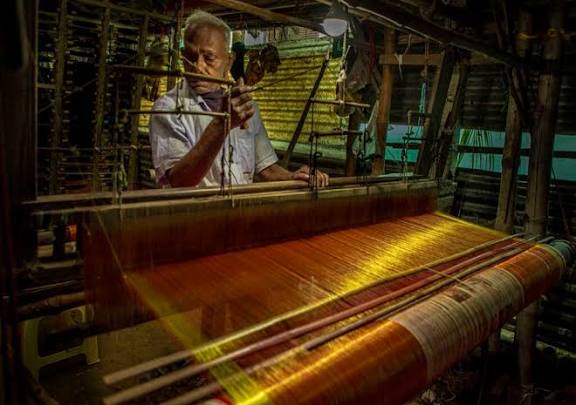
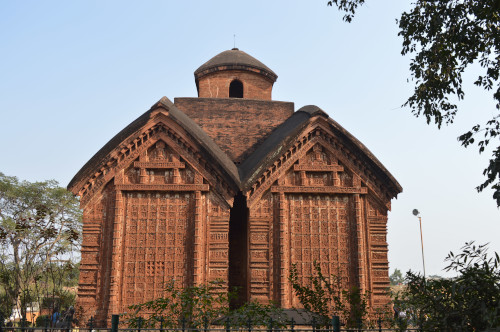
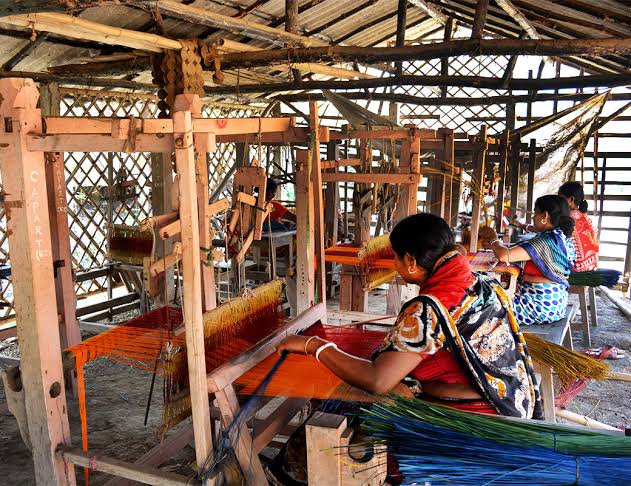
In villages like Sabang, Panskura, and Moyna, the loom anchors the home. Women drive the weaving on traditional wooden frames, passing knowledge down matrilineal lines. Sitting on earthen floors, their calloused hands interlace dyed kathi with cotton or nylon, weaving geometric patterns that mirror the region's terracotta temples.
Life follows the agrarian rhythm. After a morning of panta bhat with green chilies and fried macher dim, women return to their verandahs to weave. Despite the 'Midnapore Madur' GI tag, the ground reality is unromantic. The work is punishing, bringing chronic spinal strain and respiratory issues from grass dust.
The loom is not merely a tool for survival; it is our ancestral diary, written in grass and color, threatened by the silent indifference of a fast-moving world.
Challenges Facing the Endangered Madur Kathi Weavers of Midnapore
Despite GI protection, the Madur Kathi weavers of Midnapore fight a losing battle against cheap synthetics and shifting costs. Several structural threats imperil the craft:
- Depletion of Wetland Ecosystems: Urban and industrial expansion shrinks the natural marshes vital for cultivating high-grade madur kathi.
- Supply Chain Exploitation: Weavers rely on middlemen who swallow the profit margins, remaining detached from direct urban markets.
- Generational Alienation: Meager earnings below statutory wages push the youth of Paschim Medinipur toward urban manual labor.
Without radical institutional support, digital linkages, and fair-trade pricing, the golden reeds of Midnapore risk fading into museum relics.