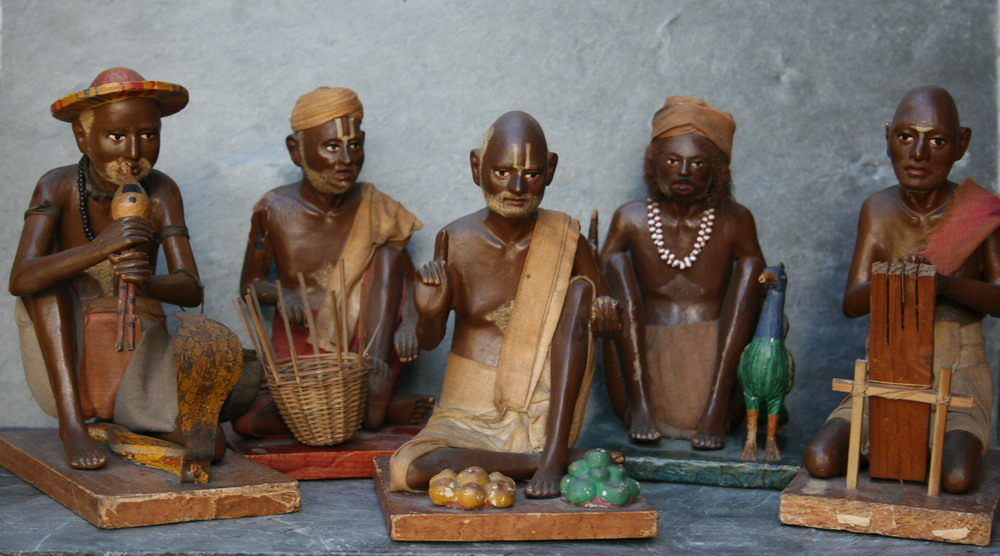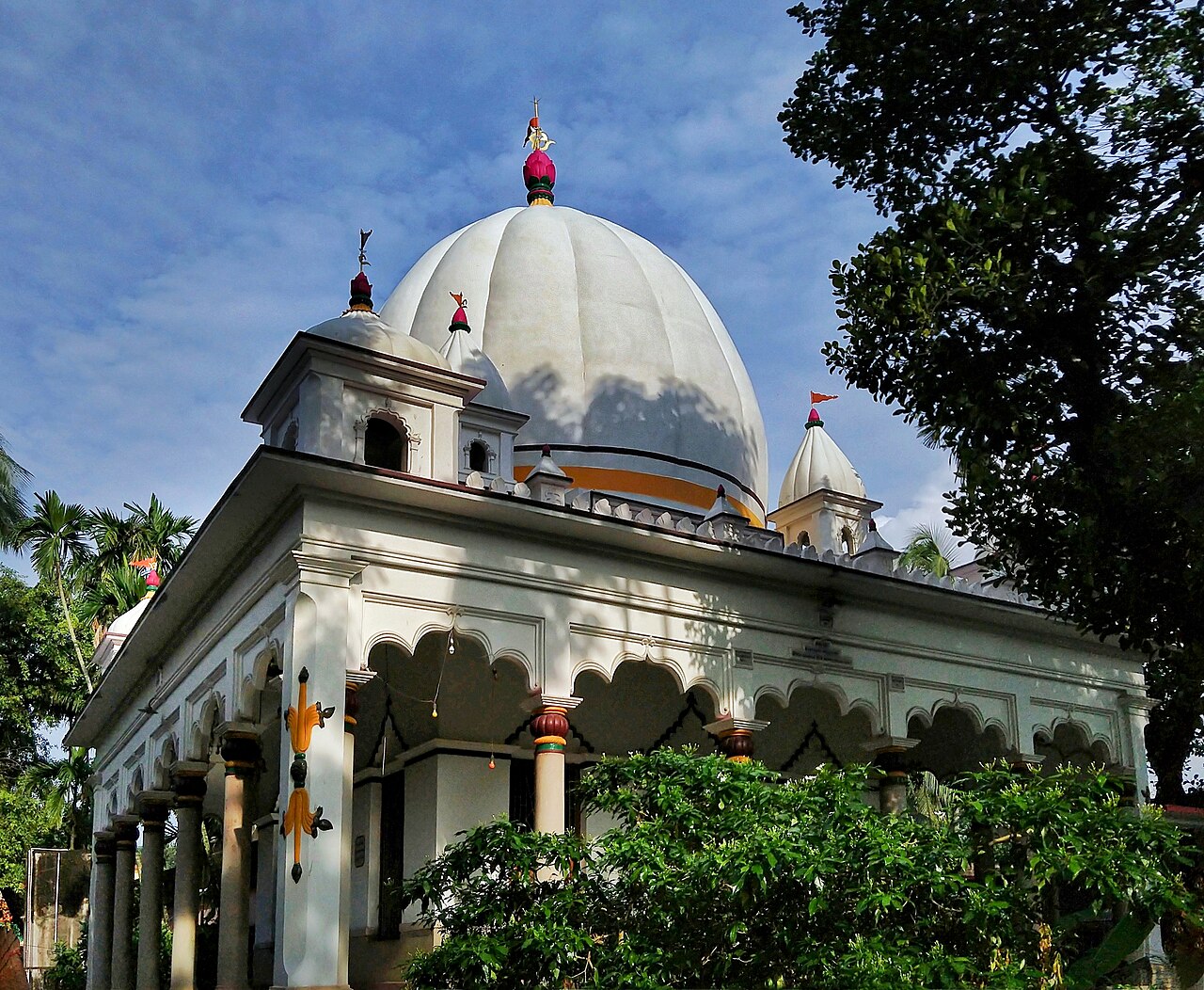
In Nabadwip, the air doesn't just smell of river silt and incense; it carries the rhythmic pulse of the mridanga and the weight of five centuries of Gaudiya Vaishnavism. Long before it became a pilgrimage site, this corner of Nadia was the ‘Oxford of the East,’ a place where logic and Sanskrit were sharpened to a fine edge in the local tols. Today, the town is on the cusp of a massive structural shift. With the West Bengal government announcing an infrastructure push to transform Nabadwip into a global spiritual hub, the challenge is clear: how to fit the demands of international tourism into the town’s famously narrow, winding lanes.
The Intellectual and the Divine
Nabadwip’s identity is split between the head and the heart. By the 15th century, it was the premier seat of Nyaya philosophy. But it was the birth of Chaitanya Mahaprabhu in 1486 that fundamentally changed the town’s DNA, making it the heartbeat of the Bhakti movement. The geography here is as fluid as the faith; the Bhagirathi river is a restless neighbor, having swallowed parts of the old city over the centuries. This has left behind a unique urban maze where ancient temples and traditional schools are tucked away in corners that seem to ignore modern city planning entirely.
The spiritual life of Nabadwip isn't found in a museum; it’s in the daily kirtans that echo through the streets, where the Chaitanya Charitamrita is lived rather than just read.
Bridges, Ghats, and the Road Ahead
The state’s blueprint focuses heavily on connectivity. The goal is a ‘Heritage Corridor’ that finally bridges the gap between the historic temples of Nabadwip and the sprawling international complex of Mayapur across the water. This involves widening the NH-12 approach roads and a much-needed modernization of the Nabadwip Dham railway station to handle the growing crowds. Local administrative sources emphasize that the restoration of the ‘Ghats’—the stone steps leading to the river—is a priority. These aren't just scenic spots; they are the functional heart of the town during massive congregations like Rash Yatra.
The Local Pulse: Totos and Lal Doi
For anyone visiting, Nabadwip is visceral. It isn't a manicured resort; it’s a living, breathing Bengali town. You find the ‘Dhameswar Mahaprabhu Temple’ right in the thick of daily life, surrounded by the chaos of the bazaar. The new infrastructure plans aim to smooth out the rough edges with better signage and eco-friendly Totos (battery-operated rickshaws) to navigate the tight spots. But the experience isn't just spiritual—it’s culinary. The fame of ‘Nabadwiper Lal Doi’ (the iconic burnt-sugar curd) and the delicate ‘Kanchagolla’ are being positioned as central to the town’s brand, ensuring that the local moira (sweet-maker) benefits as much as the hotelier.
Navigating the Journey
Located about 120 kilometers from Kolkata, the most authentic way to reach Nabadwip is still the local train from Sealdah or Howrah. It’s a three-hour window into the Bengal countryside. For those driving, the route through Krishnanagar offers a look at the administrative center of Nadia. While the official West Bengal Tourism portal provides the logistics for heritage walks, the real magic remains in the unplanned moments. As the town prepares for its global debut, the real task will be ensuring that the gleaming glass of progress doesn't drown out the humble Kirtaniya traditions that made Nabadwip holy in the first place.