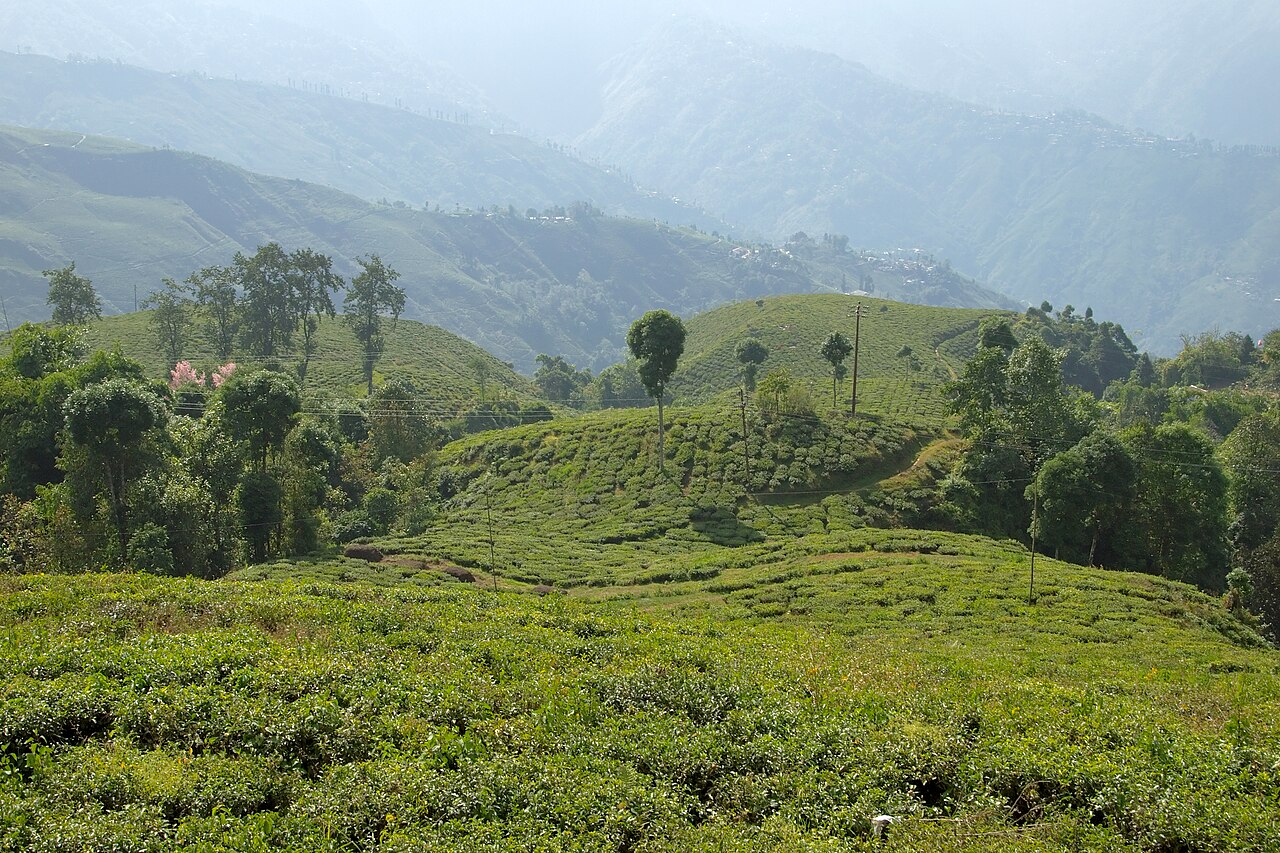
Across the alluvial expanse of Uttar Dinajpur, where the Kulik river meanders past the dense avian sanctuaries of Raiganj, a quiet agricultural renaissance has taken root. For decades, the ubiquitous spread of high-yielding hybrid paddy varieties threatened to erase centuries of agrarian heritage. Yet, in the agrarian pockets of Itahar and Raiganj blocks, a resilient community of smallholder farmers has successfully breathed new life into Tulaipanji rice Raiganj—a native, medium-grain aromatic rice that once graced the dining tables of Bengal's zamindars and found its way to international exhibitions.
The Heritage of Tulaipanji: Bengal's Lost Aromatic Rice
Long before the dominance of Basmati or Gobindobhog in the collective Bengali consciousness, Tulaipanji reigned supreme across the northern districts of West Bengal. Historically cultivated in the Gangetic plains of Uttar and Dakshin Dinajpur, as well as parts of Malda, this indigenous variety carries a distinct geographical identity. The nomenclature itself evokes a sensory memory: 'Tulai' refers to cotton, hinting at the remarkable softness of the cooked grain, while 'panji' denotes a register or list of fine quality. Agricultural surveys conducted by the Bidhan Chandra Krishi Viswavidyalaya trace its lineage back generations, noting how the local soil composition, enriched by the floodwaters of the Nagar and Kulik rivers, imparts a unique, subtle fragrance reminiscent of sun-baked earth and wet grass.
How Raiganj Farmers Revived Indigenous Cultivation
The resurgence of Tulaipanji was far from accidental. By the early 2000s, commercial pressures and the lure of subsidized high-yield seeds pushed this heirloom variety to the brink of extinction. The turning point came when grassroots collectives, working alongside the Uttar Dinajpur Krishi Vigyan Kendra, mobilized farmers in villages such as Kaliaganj and Hemtabad. Growers formed producer groups to safeguard pureline seeds, shifting away from chemical-heavy cultivation back to traditional organic inputs. Local leaders and cooperative societies helped secure the Geographical Indication (GI) tag for Tulaipanji, transforming a local crop into a protected symbol of regional pride. Farmers learned to manage the crop's specific water requirements without depleting the local water table, proving that indigenous ecological knowledge holds the key to sustainable farming in North Bengal.
The revival of Tulaipanji is not merely about resurrecting a crop; it is an assertion of our culinary sovereignty and a tribute to the agrarian wisdom passed down by our elders.
Unique Characteristics and Culinary Profile of Tulaipanji
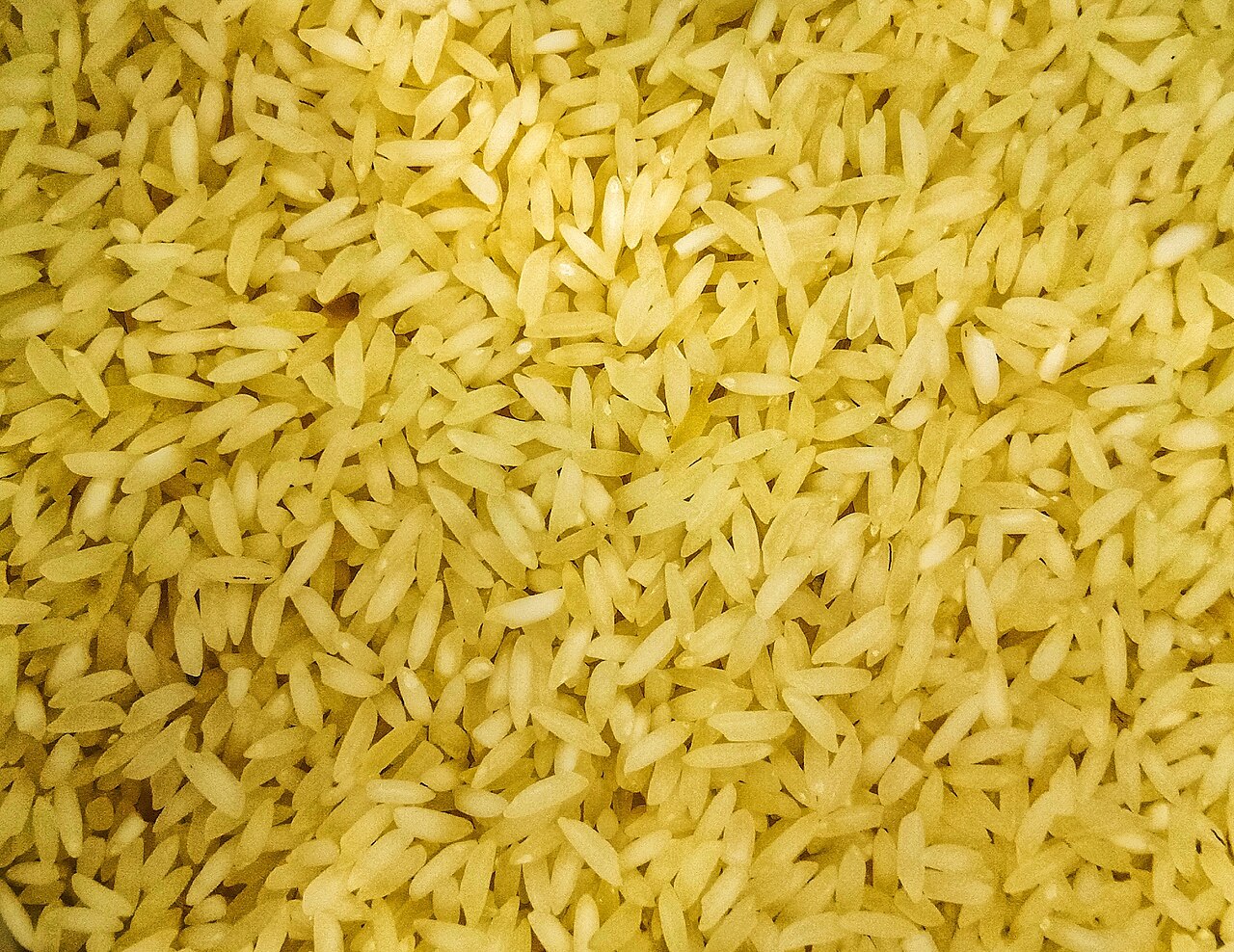
To understand the allure of Tulaipanji, one must observe it in a traditional Bengali kitchen. Unlike the elongated grains of contemporary aromatic varieties, Tulaipanji grains are relatively short, opaque, and plump. When cooked, they elongate lengthwise rather than breadthwise, refusing to stick together—a prized trait for preparing authentic basanti pulao or pairing with a rich, slow-cooked kosha mangsho. The aroma is not overpowering; rather, it is a delicate, nutty fragrance that lingers gently in the air. Culinary historians note that its low glycemic index compared to modern hybrids also makes it a healthier staple, bridging the gap between ancestral nutrition and contemporary dietary preferences.
Today, as sacks of certified Tulaipanji make their way from local haats in Raiganj to specialty food stores in Kolkata and beyond, the grain stands as a testament to what local resilience can achieve against the tide of agricultural homogenization.