A Departure from Colonial Formality
For decades, the convocation ceremony in West Bengal remained a rigid echo of the British Raj. Students filed into auditoriums draped in heavy, synthetic gowns and mortarboards—attire ill-suited for the humid, tropical climate of the Gangetic delta. The Higher Education Department’s recent directive urging universities to adopt traditional handloom is more than a cosmetic update; it is a structural rejection of a vestigial colonial identity. By embracing tant and khadi, our academic institutions are reclaiming a visual language that speaks to the local ethos rather than imported Victorian formality.
Revitalizing the Looms of Uttar Dinajpur
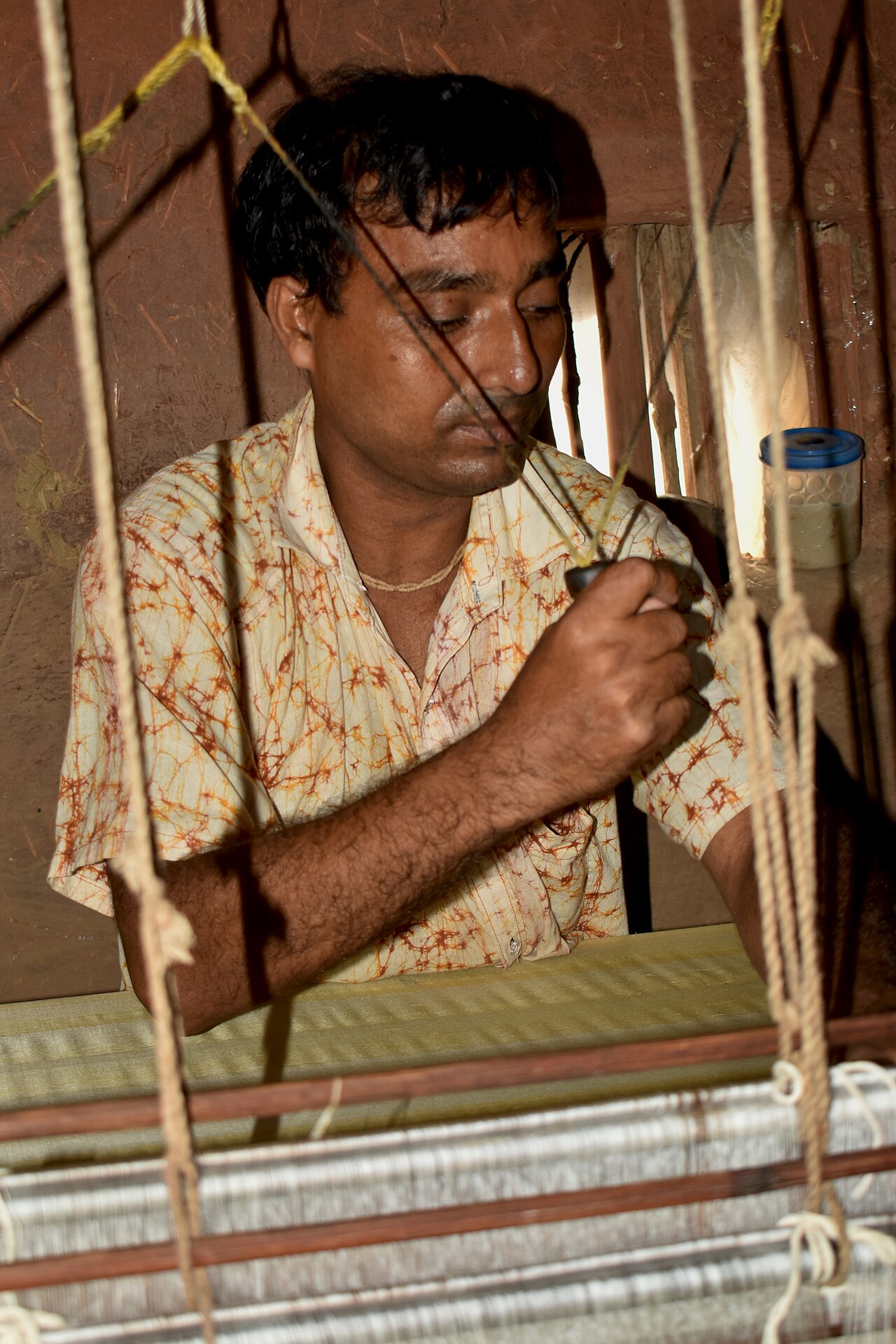
The ripple effect of this policy reaches far beyond the campus gates, breathing new life into the looms of Uttar Dinajpur. In clusters like Itahar and Raiganj, traditional weavers have long struggled against the influx of power-loom imitations. A state-wide institutional mandate for handloom stoles and garments provides a vital, guaranteed market for these artisans. When a university places a bulk order for locally sourced fabric, it bypasses the predatory middlemen who typically depress weaver earnings. This shift ensures that the pride of a graduate is literally woven into the livelihood of a rural household.
The transition to handloom is an act of economic sovereignty, bridging the intellectual aspirations of our youth with the foundational labor of our rural artisans.
Ceremonial Standards and Regional Identity
The new guidelines suggest dhoti-kurta for men and handloom sarees or salwar-kameez for women. Institutions like the University of Gour Banga are gradually integrating these standards into their ceremonial protocols. The focus remains on fabrics like Muslin or Jamdani—textiles that offer comfort while upholding the solemnity of a degree-awarding event. The transition is being managed with a careful eye toward maintaining a dignified, uniform appearance across the graduating batch.
The Living 'Swadeshi' Spirit
Academic spaces in Bengal have always been the crucible of cultural reform. By mandating handloom, the university system introduces a new generation to the 'Swadeshi' spirit, not as a historical footnote, but as a living, breathing industry. At Raiganj University, the atmosphere shifts when students trade the stifling black gown for the breathable, textured weave of local cotton. It serves as a quiet reminder that true education should remain rooted in the soil it serves.