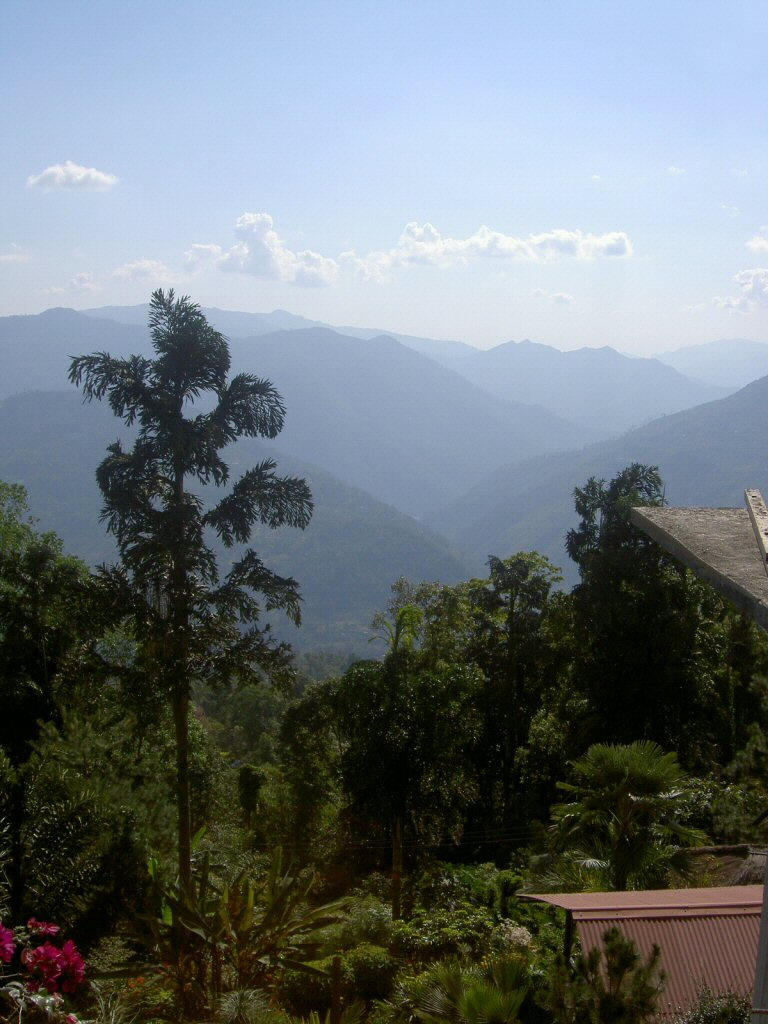
When the morning mist lifts off Rishi Road, revealing the deep, jagged gorges carved by the Teesta River, it uncovers a botanical legacy that has quietly persisted since the days of the British Raj. Long before commercial floriculture took hold across the Eastern Himalayas, local families recognized that this district’s unique microclimate—a delicate balance of heavy monsoon rains and subtropical mountain warmth—offered a sanctuary for rare epiphytic and terrestrial flora. Today, Kalimpong’s orchid nurseries act as guardians of this fragile genetic repository, working to propagate endemic species against the mounting pressures of habitat loss and illegal extraction.
The Botanical Soul of the Hills
Kalimpong is a vertical mosaic of ecological zones, shifting from the riverbank’s deciduous forests to the temperate oak and magnolia woodlands higher up. This dramatic altitudinal gradient has made the region one of India’s most significant hotspots for orchid diversity. In the early 20th century, botanists like Sir George King and Robert Pantling documented hundreds of species across these slopes, but it was the local cultivators who truly mastered the craft. Working alongside early researchers, they absorbed generational knowledge of moss requirements, root aeration, and shade calibration. Walking through the older sectors of town, one senses this history; plant-keeping here is not just a trade, but a thread woven into the very fabric of hill life.
Nurseries as Living Research Stations
Unlike modern greenhouses built for rapid turnover, the historic nurseries of Kalimpong operate as living research stations. Establishments like the Universal Nursery near 10th Mile and the legendary grounds of Ganesh Mani Pradhan have spent decades perfecting propagation through seeds and meristem tissue culture. These growers do not merely sell hybrids; they maintain invaluable ex-situ collections of wild species, serving as a vital insurance policy against extinction. By collaborating with the Botanical Survey of India (BSI) in Gangtok, these independent nurseries bridge the gap between indigenous wisdom and formal scientific conservation.
Kalimpong is not merely a destination; it is a living herbarium where every wooden lath house tells a story of survival, resilience, and stewardship across generations.
The Fragile Balance
The forests surrounding Kalimpong harbor treasures whose survival hangs in a precarious balance. Species like the noble orchid (Dendrobium nobile), the slipper orchid (Paphiopedilum fairrieanum), and rare forms of Coelogyne and Pleione rely on intact canopy structures and specific fungal relationships. Yet, rising temperatures, erratic monsoons, and the international black market have decimated wild populations. Our nurseries play a frontline role, artificially propagating these endangered taxa to reduce pressure on the wild while providing stock for habitat restoration projects managed by the West Bengal Forest Department.
A Guide to Responsible Engagement
For those ascending from Siliguri via Sevoke Road, Kalimpong offers a profound education in sustainable horticulture. To visit is to participate in a delicate ecosystem; please observe these ethical guidelines:
- Never purchase wild-collected orchids from roadside vendors; insist on nursery-grown stock with proper documentation.
- Support multigenerational, family-run nurseries that prioritize conservation education over mass-market imports.
- Respect local biosecurity by avoiding the transport of raw soil or uncertified plant material.
- Engage local guides from the Lepcha and Gorkha communities, who hold the traditional names, medicinal uses, and ecological contexts of these flowers.
By shifting tourism from passive consumption to active support of these indigenous conservationists, visitors help ensure that the mist-veined hills of Kalimpong continue to bloom for generations to come.