The Alchemy of Charida
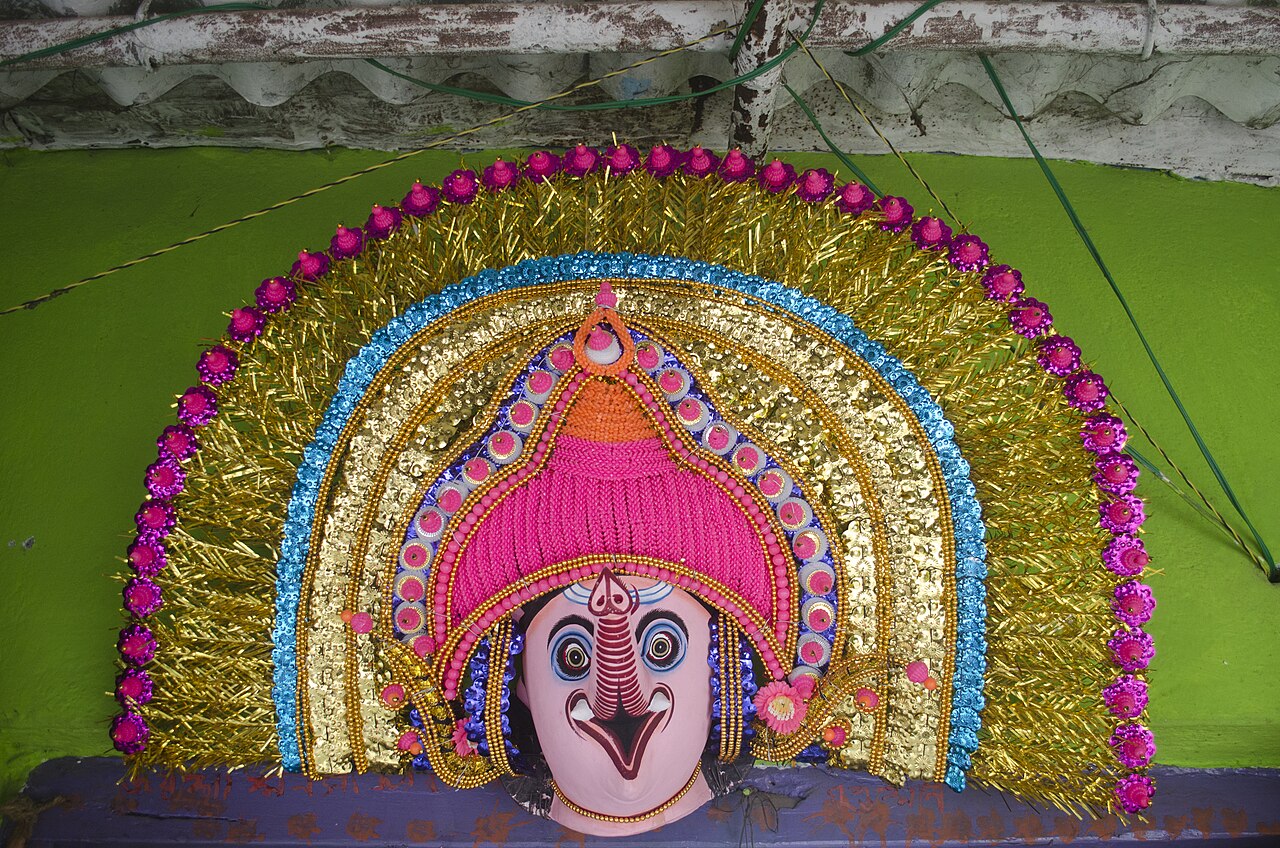
Tucked beneath the rugged silhouette of the Ayodhya Hills, the village of Charida in Baghmundi is more than a settlement; it is the beating heart of the Chhau tradition. Here, the air hangs heavy with the scent of sun-baked clay, damp paper pulp, and the sharp tang of drying lacquer. The artisans of Charida do not simply manufacture masks; they conjure deities. The process is a labor of patience—starting with a clay mold, followed by delicate layers of paper pulp bonded with tamarind-seed glue. Once cured, the mask is polished with fine clay and brought to life with vibrant, symbolic pigments: the fierce crimson of a demon, the tranquil blue of a god, or the raw, earthy hues of a forest spirit.
The Mask as a Transformative Vessel
Purulia Chhau is a martial dance of fire and muscle, a rhythmic retelling of the Ramayana and Mahabharata. In this arena, the mask is never a mere prop. It is a vessel. As the dancer fastens it, the mortal self recedes, replaced by the mythic entity they embody. When the dhak drums begin their thunderous roll across the rocky plains, the mask catches the light, its rigid, stoic features providing a stark, beautiful contrast to the performer’s explosive, gravity-defying leaps. Without the hands of Charida’s masters, the visual language of Chhau would be stripped of its visceral, haunting power.
The mask is the bridge between the dancer’s sweat and the audience’s awe; when the drum beats, the wood and paper become flesh.
The Fragile Future of a Living Art
Even with UNESCO’s recognition, the artisans of Charida walk a tightrope. While the shift from natural dyes to synthetic paints has altered the aesthetic, the real crisis is economic. The youth, drawn by the siren song of Kolkata or Bangalore, increasingly see this grueling, ancestral craft as a relic of the past. Life here is dictated by the seasons, with demand peaking during the Chaitra Parva festival and leaving a hollow silence for the rest of the year. While state-led marketing initiatives offer a lifeline, the survival of this tradition depends on a deeper cultural shift: recognizing these artisans not as mere vendors, but as the primary custodians of Bengal’s soul.