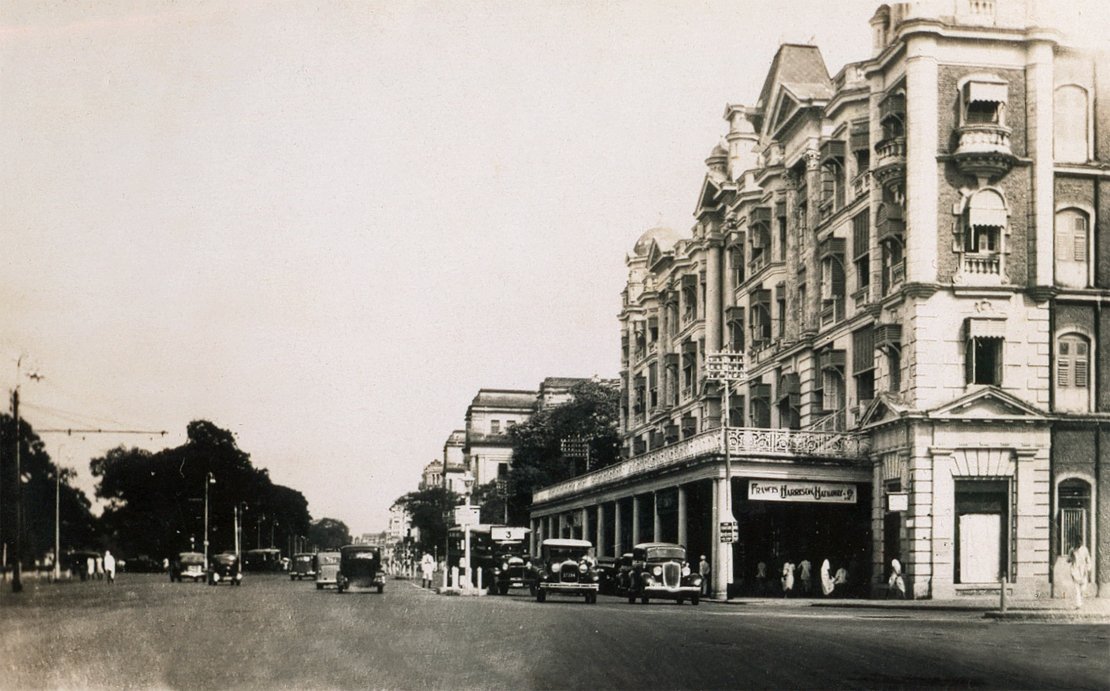
In the damp winter twilight of February 1873, a strange and thunderous clatter rolled through the narrow lanes of Sealdah. Two massive chestnut draught horses, bred in the pastures of New South Wales and shipped across the Indian Ocean to Bengal, stood harnessed to a gleaming single-deck railcar.
The First Rails Across the Hooghly Silt
That maiden journey of the Calcutta Tramways Company traversed two and a half miles down Bowbazar Street and Canning Street to the timber wharves of Armenian Ghat. The fares were set at three annas, and the city’s merchant class, colonial babus, and Scottish jute traders marveled at a conveyance that did not jolt across muddy cart-tracks.
"To the Bengali commuter of the 1880s, the tram was more than transport; it was the rhythmic pulse of modern civic mobility, democratizing the distance between North Kolkata mansions and Central administrative offices."
The River That Bounded an Empire
At the riverfront, Leslie’s pontoon bridge groaned beneath hundreds of ox-drawn bullock wagons laden with indigo and Darjeeling tea. Steam launches with tall, skinny chimneys whistled as they carried passengers to the East Indian Railway terminus at Howrah. The city was emerging as the second city of the British Empire—an urban cauldron of immense wealth, intellectual ferment, and deep social division.
What Remains Today
While horse-drawn carriages have passed into museum engravings and Calcutta’s legendary tramways face their final twilight after 151 years of service, the stone tracks along College Street and the iron gates of Nonapukur workshop still hum with the living memory of Bengal’s transportation pioneers.