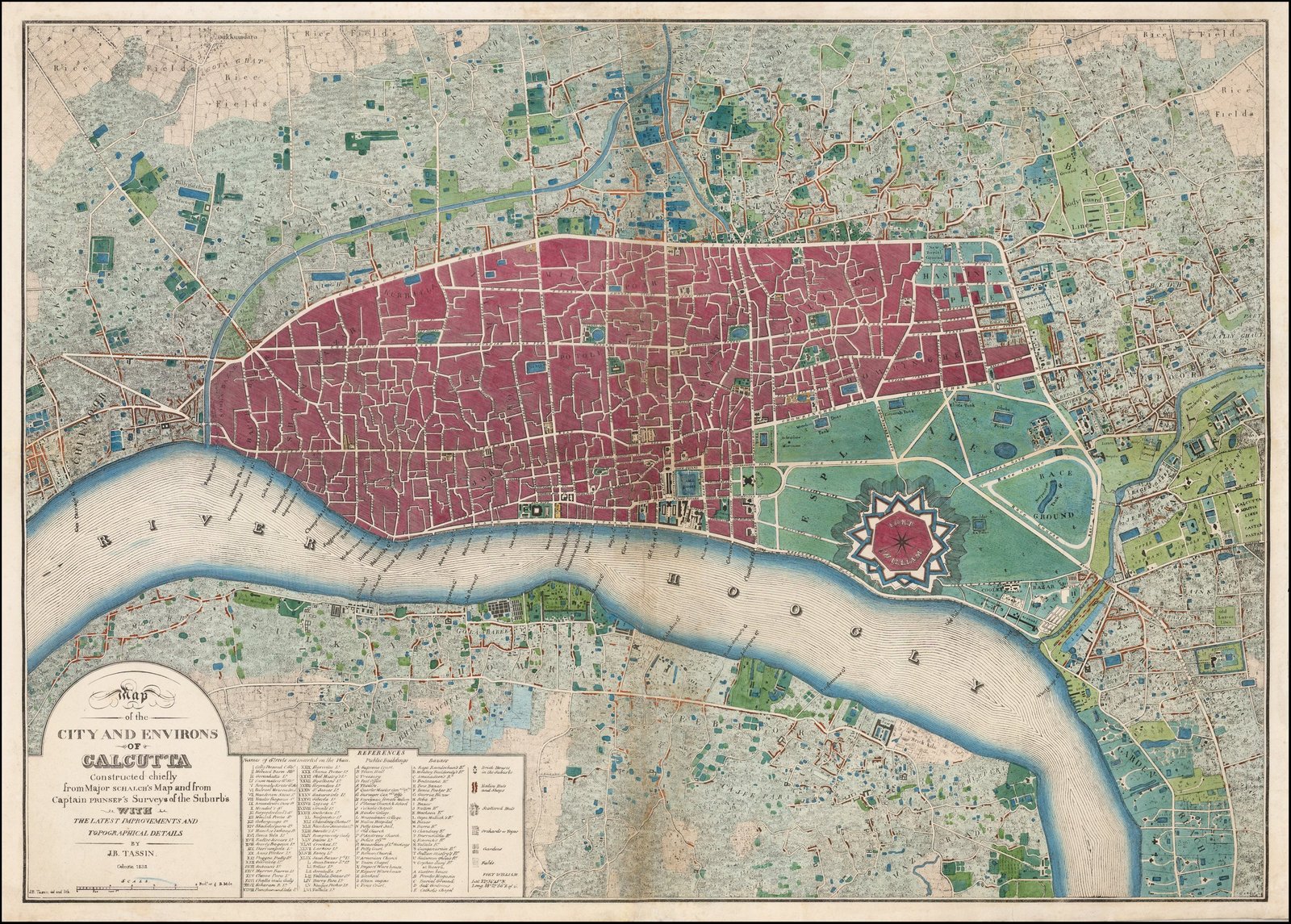
"Chele ghumalo, paada juralo, bargi elo deshe..." For three centuries, Bengali mothers have sung this eerie lullaby. Yet few who navigate the roaring traffic of Acharya Prafulla Chandra Road today realize they are driving over the filled trenches of the Maratha Ditch.
The Terrors of Raghuji Bhonsle
Between 1742 and 1751, the Maratha cavalry under General Bhaskar Pandit repeatedly swept through Murshidabad, Burdwan, and Hooghly, plundering villages and defeating Nawab Alivardi Khan’s garrisons. Tens of thousands of indigenous Bengalis fled across the Hooghly River into English-governed Calcutta seeking sanctuary.
"In April 1742, rich native merchants and the English Council agreed to dig a seven-mile moat encompassing the northern and eastern borders of the settlement from Chitpur to Govindapore."
From Defensive Moat to Imperial Grand Boulevard
Only three miles were completed in six intense months before the immediate threat receded. For fifty years, the stagnant ditch collected monsoon silt until the Marquess Wellesley’s Lottery Committee in the early 1800s filled it with debris, paving the grand Upper and Lower Circular Roads that defined the boundary of 19th-century Calcutta.