The Mystical Significance of Tarapith Maha Smashan
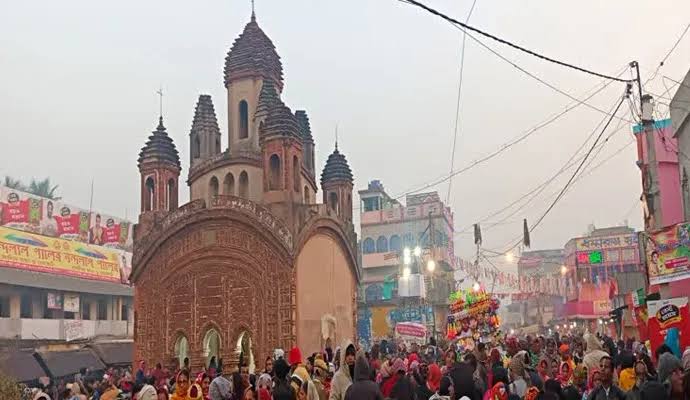
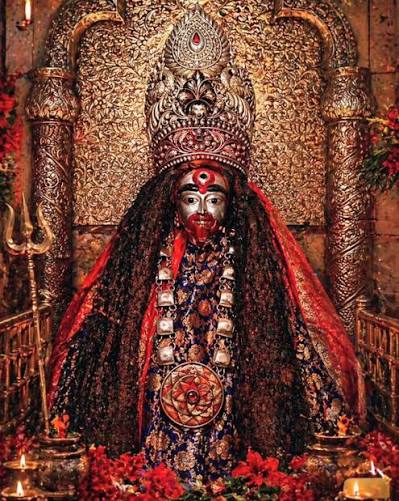
In the sun-baked, red-soiled expanse of Birbhum, the Tarapith Temple stands not merely as a site of worship. It is a gateway to the primordial. Unlike the pristine silence of conventional shrines, the air here hangs heavy. The scent of burning pyres mixes with the rhythmic, hypnotic resonance of the dhak. Here lies the Maha Smashan—the great cremation ground, and the beating spiritual heart of the place. In this crucible, the neat duality of life and death simply collapses. Goddess Tara is worshipped here in her fierce, uncompromising, and transformative aspect. It is a space where human social order is completely suspended, forcing every visitor to confront the raw transience of the physical form.
Sadhak Bamakhepa: The Mad Saint of Tarapith
You cannot understand the soul of Tarapith without speaking of Bamakhepa. The 'mad' saint's presence is still vividly etched into the very stones of the temple. He was never a man of heavy scriptures. Instead, he chose a path of direct, visceral communion with the Divine Mother. Elders still whisper tales of him roaming the cremation grounds. He laughed at caste hierarchies and spat on rigid social norms, living as a true Vama-marga practitioner. To Bamakhepa, there was no difference between the deity shimmering in the sanctum and the stray dogs scavenging in the village lanes. His legacy remains a stark, enduring reminder: true spiritual liberation demands that we strip away every last societal mask.
The Mother does not demand your polite prayers; she demands your total surrender. In the acrid smoke of the pyre, the ego finally burns away, leaving behind only the naked truth of the soul.
Understanding the Living Tantric Heritage of Birbhum
For centuries, Birbhum has served as a crucible for esoteric practices. This Tantric heritage is no museum relic collecting dust behind glass. It is a living, breathing reality, carried forward by sadhaks who sit quietly in the long shadows of the temple complex. The daily rituals at Tarapith—the specific, meticulous offerings of panchamrit and ancient tantras—are handed down carefully through unbroken lineages of priests and practitioners. This is a rugged landscape where the mundane and the occult breathe the exact same air, offering a glimpse of a Bengal that flatly refuses to be sanitized by modern comfort.
Visitor Guide: Rituals and Temple Etiquette
Stepping into Tarapith requires tuning yourself to its raw, unpolished rhythm. The queue leading to the garbhagriha is intensely chaotic, echoing the fierce passion of the devotees. Keep these practical notes close if you plan to visit:
- Dress Code: Keep it modest. While there is no hyper-rigid dress code, traditional attire earns quiet respect and blends you into the local ethos.
- Temple Timings: The shrine surges with energy during the early morning Mangal Arati and deep late-night rituals. Plan your movements accordingly.
- Photography: Strictly prohibited inside the sanctum. Show basic human decency by respecting the privacy of the sadhaks and the profound sanctity of their rituals.
- Local Offerings: Buy your puja items directly from the local vendors just outside the gates. A bhog featuring fresh hibiscus garlands and traditional sweets remains the timeless standard.