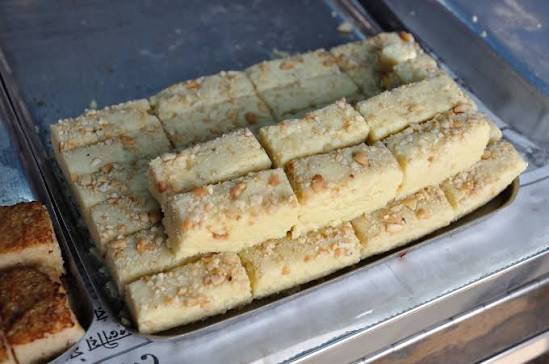
To walk the ancient terracotta-paved lanes of Purba Bardhaman is to step straight into a living archive of culinary history. Here, where the red laterite soil of the Rarh region meets the fertile floodplains of the Damodar, food is never just sustenance—it is a sacred cultural manuscript. Yet, as modernization sweeps through Bengal's heritage towns, the smoke is slowly dying out from the traditional wood-fired oonohe of generational confectioners. Documenting the authentic lineage of the lost sweets of Rarh Bengal requires looking far beyond commercial sweetshops to find the true custodians of an endangered gastronomic legacy.
The Culinary Heritage of Rarh Bengal
The Rarh region—encompassing parts of Bardhaman, Bankura, and Birbhum—possesses a distinct culinary identity shaped entirely by its topography. Unlike the sweet-makers of Kolkata who catered to the urban babu culture, the artisans of Rarh Bengal balanced robustness with refined technique. The cuisine here relies heavily on local grains, river fish, and unrefined cane jaggery (jhola gur), reflecting a landscape that demands quiet resilience from its inhabitants. The sweet-making traditions evolved not in royal isolation, but as an intricate dialogue between temple rituals, seasonal harvests, and community feasts.
Uncovering the Royal Origins of Mihidana
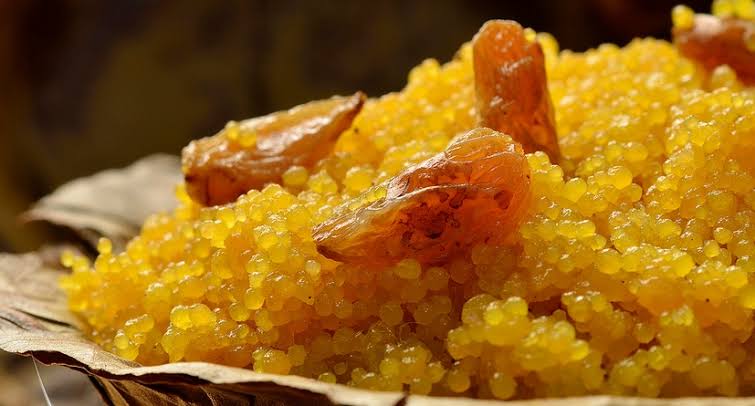
No exploration of Bardhaman's culinary landscape is complete without examining Mihidana, a micro-pearl of boondi born from royal patronage. Commissioned by Maharaja Bijay Chand Mahatab in the early 20th century to impress Lord Curzon, local master confectioner Khasilal Bhakat labored for days to invent a droplet-sized sweet that required absolute precision in batter consistency and copper-ladle perforation.
"Mihidana is not just tiny globules of fried gram flour; it is an architectural marvel of proportion, moisture, and sugar syrup equilibrium that modern mass production has utterly destroyed."
Today, finding authentic Mihidana near the historic Bardhaman Rajbari is increasingly difficult. The traditional copper sieves (jhuri) with microscopic perforations are disappearing, replaced by machine-stamped stainless steel variants that alter the droplet size and texture. The Govindabhog rice flour, meticulously blended with high-grade basin, must be kneaded by hand for hours—a grueling physical craft that younger generations are understandably abandoning for white-collar urban jobs.
Radhaballabhi: Beyond a Breakfast Staple
While often categorized merely as a breakfast item paired with spicy alur dom, traditional Radhaballabhi holds a revered place among the savory-sweet offerings of Rarh Bengal. True Radhaballabhi—distinguished from the ordinary kachori by its stuffing of soaked urad dal (beultir dal) ground with fennel, ginger, and asafoetida (hing)—demands a delicate mastery of dough-rolling and ghee temperature.
In the older quarters of Galsi and Memari, veteran cooks recount how Radhaballabhis were once prepared exclusively during festive offerings at household debuttor estates. The dough must be kneaded with enough shortening (moin) to create fine air pockets upon frying, yet sturdy enough to hold the spiced dal paste without bursting. The modern commercial variants, fried in refined palm oil instead of pure cow's ghee, completely miss the earthy, aromatic depth that defined the original Rarh preparation.
Preserving Ancient Sweet-Making Craftsmanship
The survival of these culinary artifacts hangs by a thread. Artisans operating out of cramped, soot-stained kitchens near Curzon Gate face mounting economic pressures. Rising fuel costs, adulterated raw materials, and a consumer base driven by price rather than heritage are pushing the craft to the brink of extinction. Without protected geographical indication (GI) enforcement and active institutional support for generational sweet artisans, the sweet-making wisdom of Rarh Bengal will be reduced to a faded memory.
Ultimately, saving Radhaballabhi and Mihidana from fading into oblivion requires an active cultural awakening. When we consume these heritage items knowingly, we honor centuries of accumulated human trial, error, and aesthetic devotion. The kitchens of Purba Bardhaman still hold the embers of a rich past; it is up to us to ensure they are not extinguished.